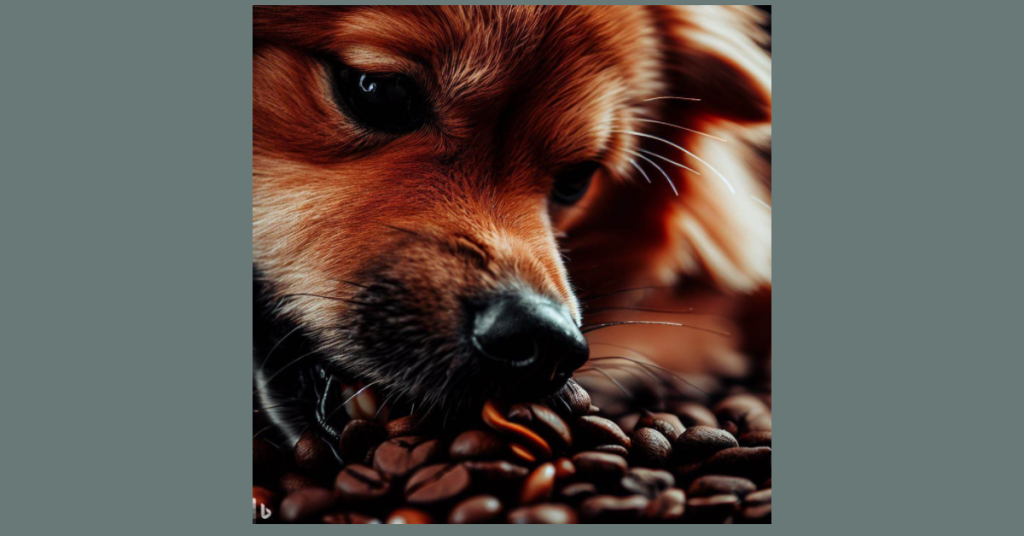
No. If your dog has eaten coffee beans or coffee grounds, call one of these now. Do not wait for symptoms:
- ASPCA Animal Poison Control Center: (888) 426-4435, 24 hours a day, 365 days a year (aspca.org).
- Pet Poison Helpline: (855) 764-7661, available 24/7 (petpoisonhelpline.com).
- Your own veterinarian, or the nearest emergency animal hospital.
Both hotlines charge a per-incident consultation fee. Have ready: your dog’s weight, what they ate (beans, grounds, brewed coffee, chocolate-covered espresso beans), roughly how much, and when. Do not give any home antidotes (Pet Poison Helpline’s emergency instructions), and do not induce vomiting unless a veterinarian or a poison-control toxicologist tells you to.
Table of Contents
How much caffeine is dangerous for a dog?
The Merck Veterinary Manual‘s chapter on chocolate toxicosis, written by a veterinarian at the ASPCA Animal Poison Control Center and peer reviewed by a board-certified veterinary toxicologist, publishes these thresholds for caffeine and theobromine in dogs:
| Dose (per kg of body weight) | What Merck reports |
|---|---|
| 20 mg/kg | Mild signs: vomiting, diarrhea, excessive thirst |
| 40–50 mg/kg | Cardiotoxic effects |
| ≥ 60 mg/kg | Seizures |
| 100–200 mg/kg | Reported oral LD50 in dogs |
Merck also notes that the half-life of caffeine in dogs is about 4.5 hours, and that “severe clinical signs and death may occur at much lower doses” than the LD50, which is why a hotline call beats waiting to see what happens.
Why beans and grounds are the dangerous form, not the mug
This is the distinction that matters. Pet Poison Helpline states it plainly: “One or two licks of coffee, tea or soda is unlikely to cause poisoning in most pets. However, ingestion of unused coffee grounds or beans, tea bags, or supplements could cause serious toxicity in dogs or cats.”
The reason is concentration. A cup of coffee is mostly water. A bag of beans is not. Green arabica beans run about 0.9–1.2% caffeine by dry weight and robusta about 1.6–2.4%, according to Olechno et al., Foods 2021;10(6):1208. Robusta therefore carries more caffeine than arabica, gram for gram: nearly double on the midpoints of those ranges, or 50–60% more by the National Coffee Association‘s figure. If you know the beans were robusta, treat the amount eaten as worse than the figures below. Call it roughly 10 mg of caffeine per gram of arabica bean, a figure for green (unroasted) beans; for roasted arabica the same review gives only a range of 0 to 1%, too wide to use. Working from that figure and Merck’s thresholds:
- A 5 kg (11 lb) dog reaches the 20 mg/kg mild-signs threshold at roughly 10 g of arabica beans.
- A 10 kg (22 lb) dog reaches it at roughly 20 g, a small handful.
- The same 10 kg dog is in seizure territory (60 mg/kg) at roughly 60 g, a fraction of a retail bag, and easily within reach of a dog that gets the bag open.
Read that arithmetic as an order of magnitude, not as a safe limit. It is a calculation from a published caffeine percentage, not something anyone weighed out on a dog. Bean caffeine varies by species, origin and roast; robusta beans carry 50% to nearly 100% more caffeine than arabica, so the same handful can be up to about twice the dose. Chocolate-covered espresso beans are worse again, because chocolate adds theobromine on top of the caffeine: Merck notes theobromine’s half-life in dogs is 17.5 hours, nearly four times caffeine’s. Never use this table to decide not to call.
Signs of caffeine poisoning in dogs
The ASPCA lists the effects of methylxanthines (the compound group that makes coffee, chocolate and caffeine toxic to pets) as “vomiting and diarrhea, panting, excessive thirst and urination, hyperactivity, abnormal heart rhythm, tremors, seizures and even death.”
In practice the sequence owners notice first is restlessness that does not settle, panting, and a racing or irregular heartbeat. Do not treat early hyperactivity as your dog being playful. And do not wait for signs before calling: the thresholds above are dose-based, so if you know roughly how much was eaten, the hotline can tell you whether you are already past a level that needs treatment.
Other caffeine sources to keep away from dogs
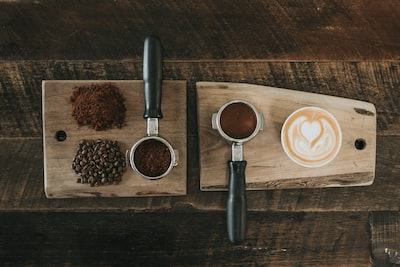
Pet Poison Helpline names coffee, tea, soda, energy drinks, pre-workout and weight-loss supplements, energy “shots”, pouches and tablets, and chocolate. It also flags large sweetened coffee drinks specifically, because the cream and sugar make them appealing to a dog while the extra espresso shots raise the dose.
Treat used grounds as unsafe too. Pet Poison Helpline’s warning names “unused coffee grounds or beans”, but spent grounds keep part of their caffeine: a 2026 study by Maiyah and colleagues in Food Chemistry: X that brewed the same grounds three times still recovered caffeine from them, less after each brew. If you compost grounds or dig them into beds, keep the bin closed and the beds fenced: a dog that has learned grounds are food will go back for them. Our page on what to do with old coffee beans covers the garden uses, and this is the caveat that belongs with all of them.
Storage that works: an opaque, hard-sided container with a screw or latch lid, kept on a shelf rather than a counter. Foil bags with a one-way valve are not dog-proof: they tear, and the aroma advertises them.
Corrections to earlier versions of this page
- It said poisoning happens when a dog consumes “a large amount of caffeine”, with no numbers and no poison-control number. The thresholds and both hotlines are now at the top.
- It blurred the difference between a lick of coffee and eaten beans or grounds, which is the difference that matters.
Disclaimer: This article is general information, not veterinary or medical advice, and it cannot substitute for an examination of your animal. Doses and thresholds are quoted from the published sources linked above; your dog’s breed, weight, age and health conditions all change the picture. If you think your dog has eaten coffee beans, grounds or any caffeine product, call a veterinarian or one of the poison-control numbers at the top of this page.