Decaf Coffee Beans: Caffeine Levels and How It Is Made
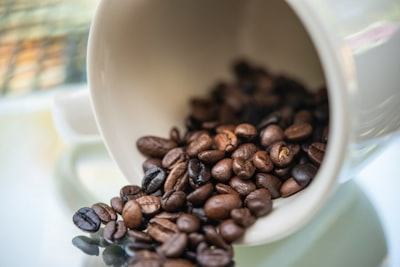
Yes. Decaf beans are green coffee beans with most of their caffeine removed before roasting. They still contain some: the FDA says decaf typically has 2 to 15 mg in an …
Four coffee species make up what is sold commercially: arabica, robusta, liberica and excelsa. Arabica was about 63% of green-bean exports in 2024/25 and robusta most of the rest, while liberica and excelsa together are probably under 1,000 metric tons. Each has its own guide below, alongside pages on decaf, the heat-tolerant wild species stenophylla, and what Fairtrade and organic labels mean.
Yes. Decaf beans are green coffee beans with most of their caffeine removed before roasting. They still contain some: the FDA says decaf typically has 2 to 15 mg in an …
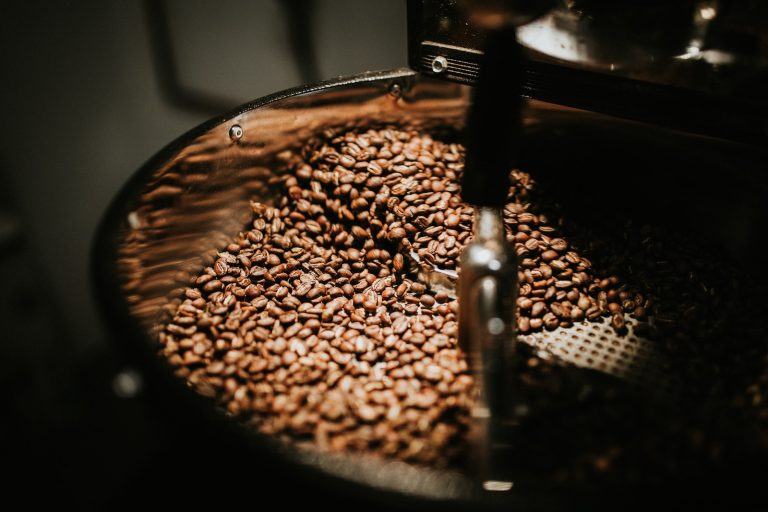
Coffea stenophylla is a wild West African coffee species that tastes like high-quality arabica but grows at mean annual temperatures 6.2 to 6.8 °C higher than arabica’s. In a blind tasting, …
Fairtrade, Rainforest Alliance and organic are not three grades of one thing. Fairtrade sets a price floor ($1.80 a pound for washed arabica, $2.00 on contracts signed from 1 December …
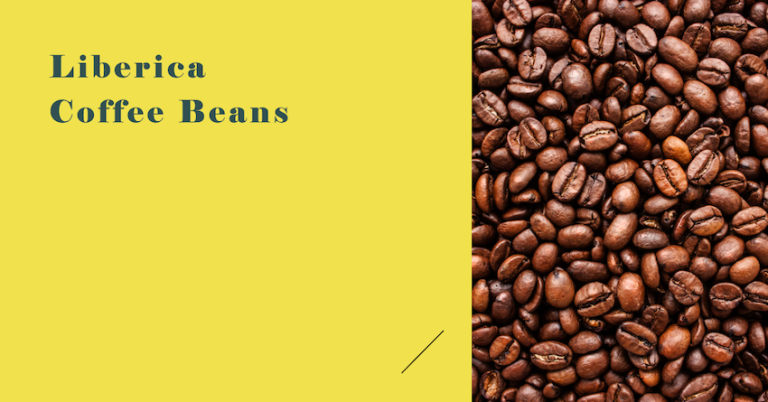
Liberica is Coffea liberica, a species native to upper West Africa and grown today mainly in Southeast Asia, notably the Philippines (where it is called barako), Malaysia and Indonesia. It …
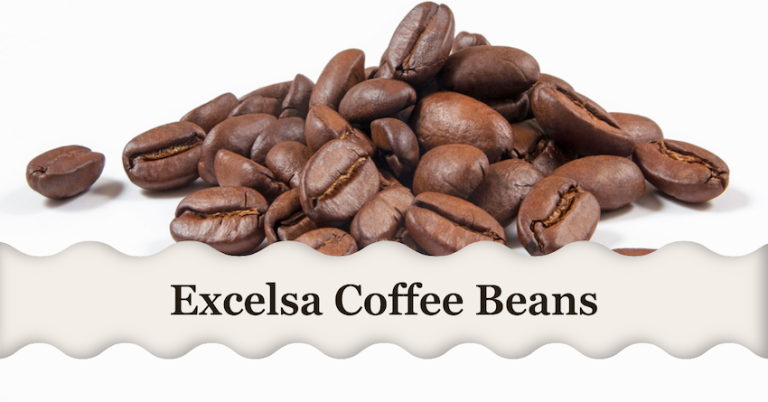
Excelsa is a coffee species, Coffea dewevrei, native to Central Africa and now farmed in Uganda, South Sudan, India and parts of Southeast Asia. It was long treated as a …
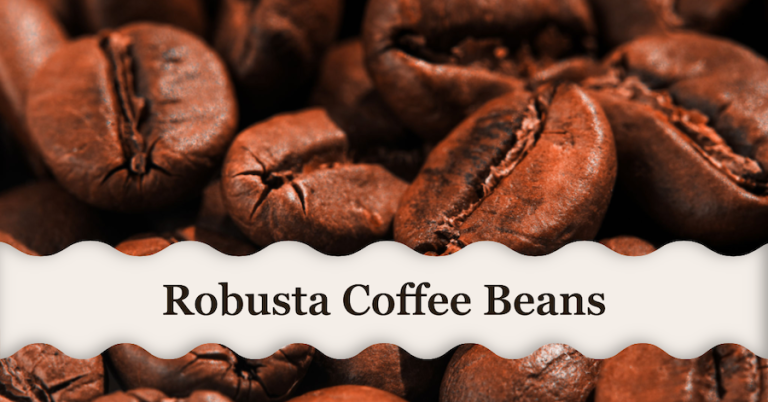
Robusta is the trade name for coffee from the species Coffea canephora. It carries more caffeine than arabica, grows lower and hotter, and made up 36.6% of world green-coffee exports …
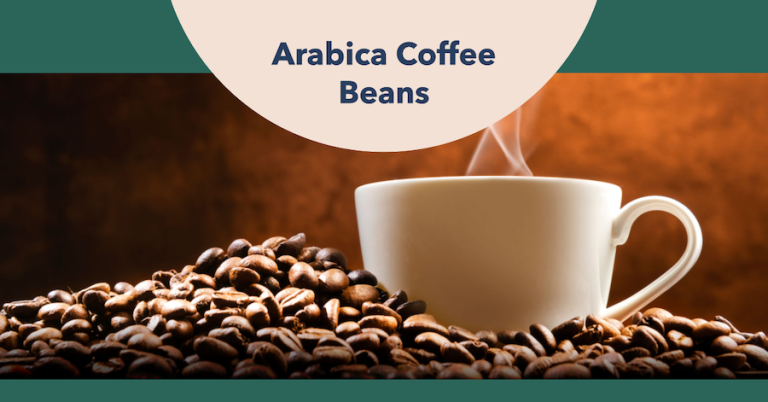
Coffea arabica is the species behind most of the coffee people drink and nearly all of the coffee sold as specialty. It is native to Ethiopia and reached most of …
© 2026 My Coffee Beans. All Rights Reserved.