Coffee and Food Pairing: Convention, Not Measurement
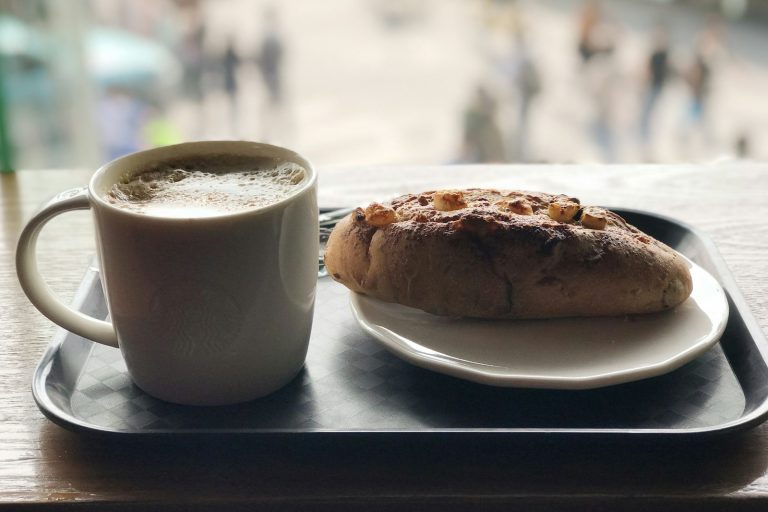
Little has been published on coffee and food pairing. One 2025 UC Davis consumer study (a conference poster) of four coffees and six foods found that an almond croissant and …
Practical guides for coffee at home: how much ground coffee a 12-cup machine needs, which pods fit which machines, paper, metal and cloth filters, cold brew against nitro, French press water temperature, and how to cool, reheat and store coffee. It also answers everyday questions, such as whether coffee is a legume, how many beans make a cup and whether you can fly with coffee beans.
Little has been published on coffee and food pairing. One 2025 UC Davis consumer study (a conference poster) of four coffees and six foods found that an almond croissant and …
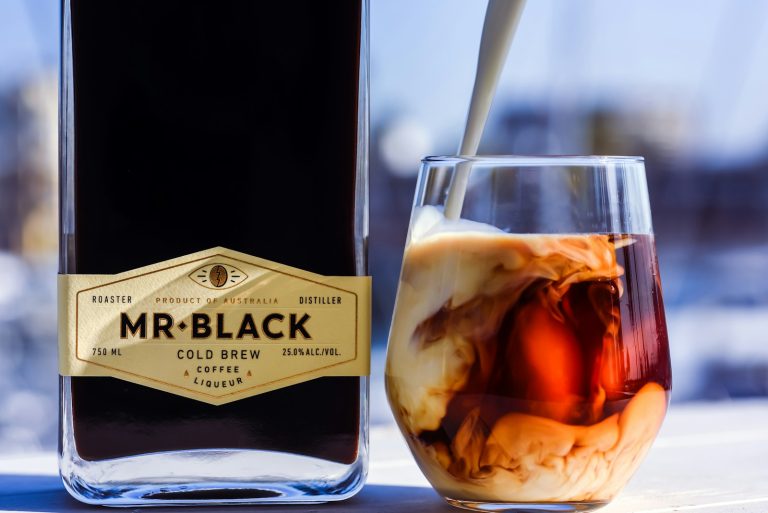
To make coffee liqueur, dissolve 1 cup sugar in 2 cups hot strong coffee, cool it, then add 1 cup of vodka or rum and a split vanilla bean. Rest …
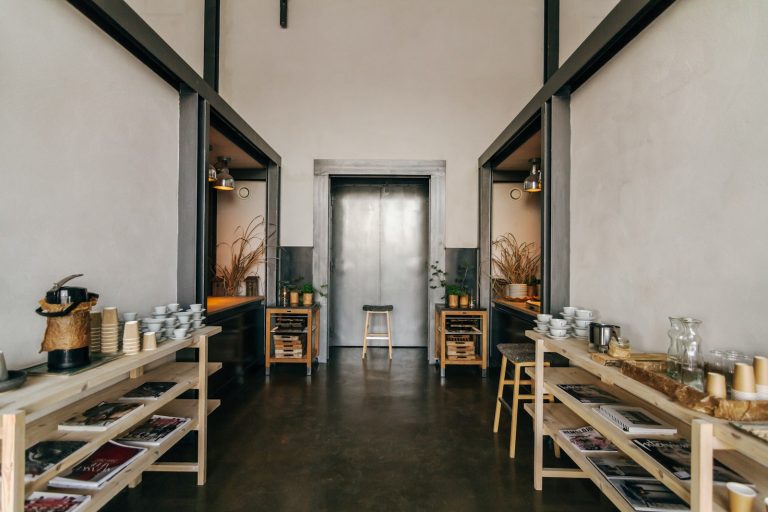
To set up a home coffee station, put it where you have water, power and a bin within arm’s reach, and lay the gear out in the order you use …
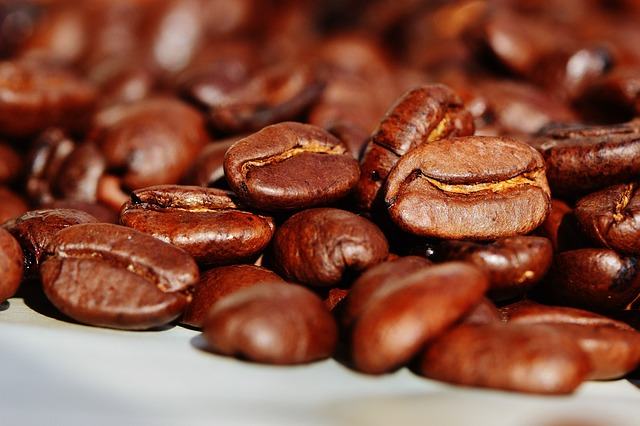
Brew single-origin coffee the way you brew any other coffee: for drip, 55 g of coffee per litre of water, about 1:18 by weight, which is about 10 g for a 6 fl oz …

Arabica grows in a narrow temperature band, and that band is moving uphill. The International Coffee Organization’s summary of a 2015 modeling study projects that about half of the area …

A coffee’s flavor profile is the set of flavor, aroma and texture attributes that can be named in it. World Coffee Research’s Sensory Lexicon describes 110 of them under 17 …
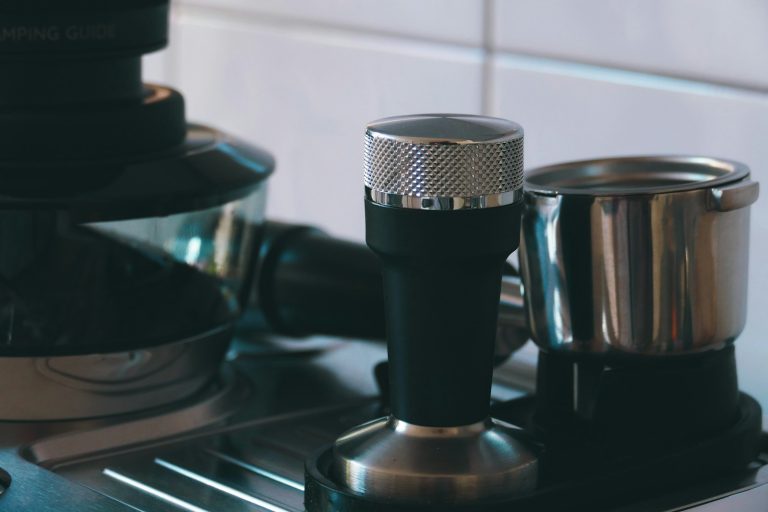
Four things do almost all the work: a burr grinder, a digital scale, a way to heat and pour water, and a brewer. Everything else on the usual accessories list …
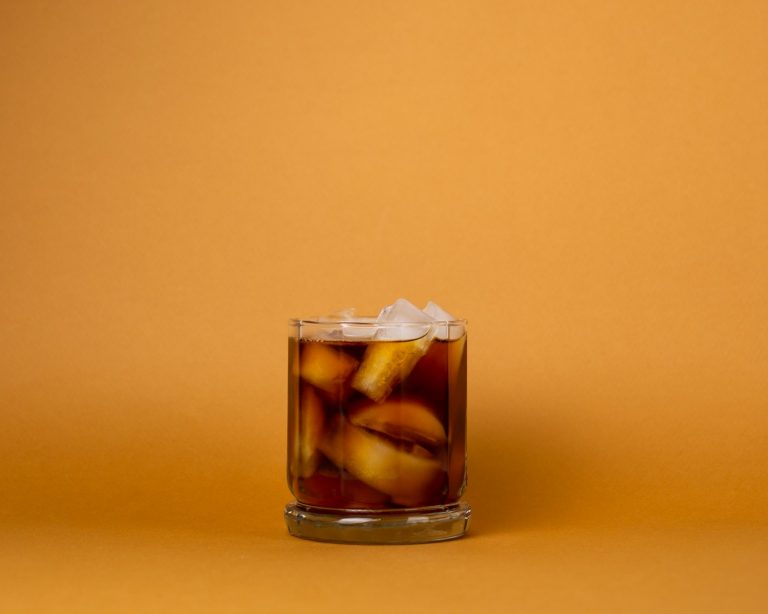
Cold brew is coffee steeped in cold or room-temperature water for hours instead of brewed hot. Nitro cold brew is that same cold brew charged with nitrogen gas, which gives …
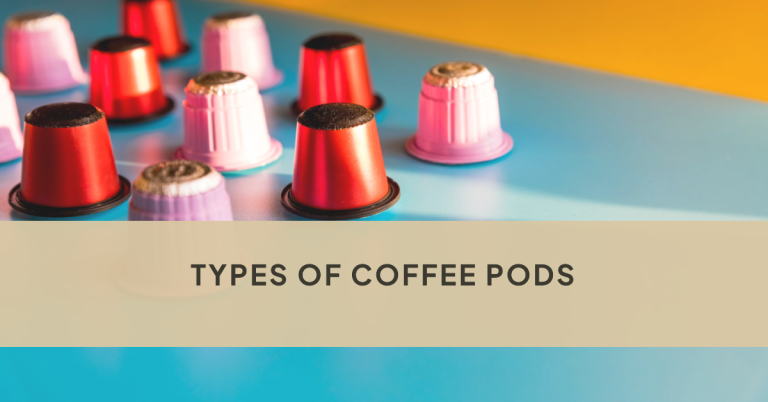
Coffee pod types come down to two physical formats: soft paper pods (Senseo, E.S.E.) and sealed capsules (Nespresso Original and Vertuo, Keurig K-Cup, Dolce Gusto, Lavazza, illy). Almost every system …
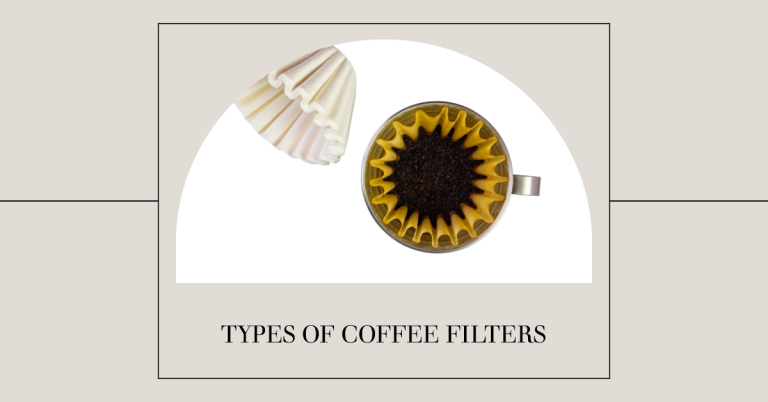
A paper filter holds back cafestol and kahweol, the coffee oils that raise LDL cholesterol; a metal filter lets them through, and cloth sits in between. If your cholesterol is …
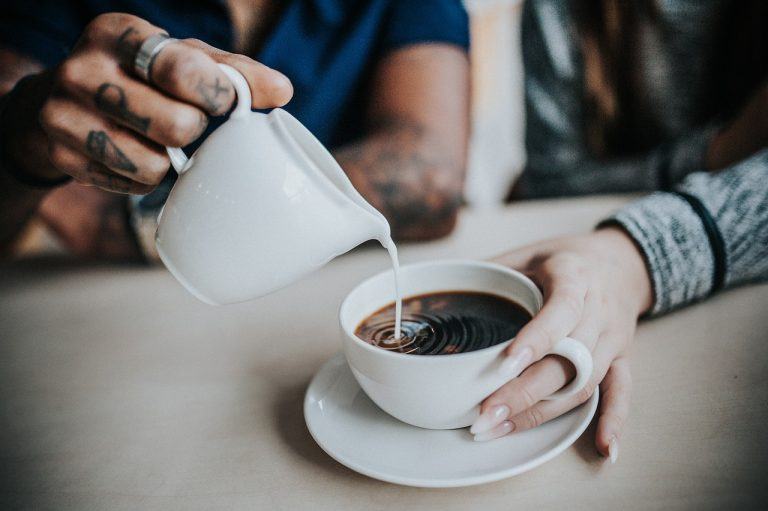
Almond milk can curdle in coffee, most likely because hot, acidic coffee (pH about 5) strips most of the charge that keeps its proteins apart, so proteins and fat droplets …
Start with 1 tablespoon of creamer in a 6 oz cup, taste, and go from there. That scales to 1⅓ tablespoons for 8 oz and 2 tablespoons for 12 oz. …
A house blend is a roaster’s or cafe’s own everyday blend, the coffee it sells as its default and pitches as balanced and approachable. The term has no federal legal …
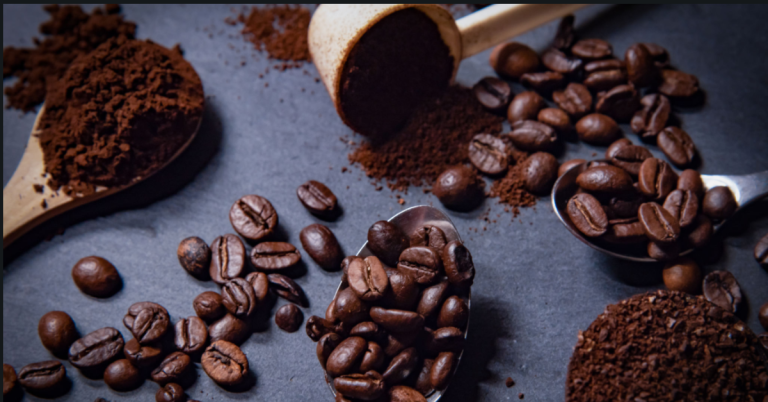
Twelve 6 fl oz cups is 72 fl oz of water, which takes about 117 g of ground coffee at the standard 55 g per litre. If your machine’s 12 …

Coffee wine is brewed coffee, sweetened and fermented with yeast, so the alcohol is made by fermentation in the coffee rather than added to it. If you make it, do …
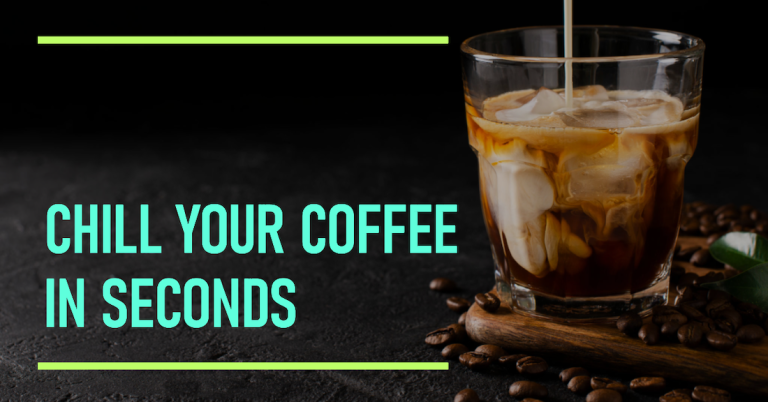
By the physics, the fastest kitchen ways to cool coffee are to pour it between two wide mugs, stand the cup in iced water and stir, or add ice or …
Coffee beans look oily mostly because they were roasted dark: the bean’s structure breaks down and its oil reaches the surface. The National Coffee Association calls light roasts matte and …
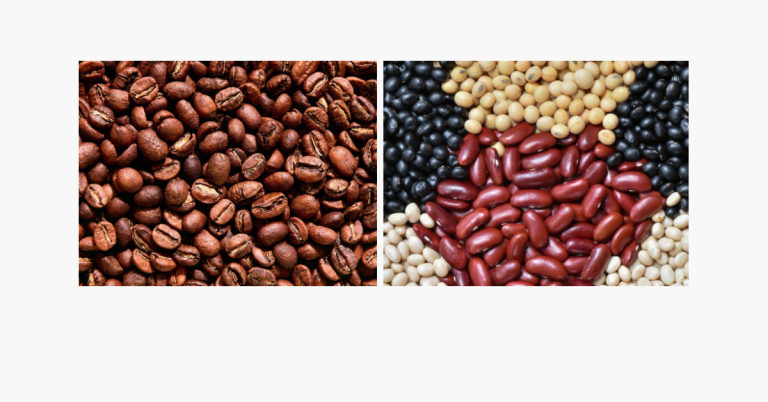
Is coffee a legume? No. Coffee beans are the seeds of Coffea plants, which belong to the madder family (Rubiaceae). Legumes belong to a different family, the pea family (Fabaceae), …
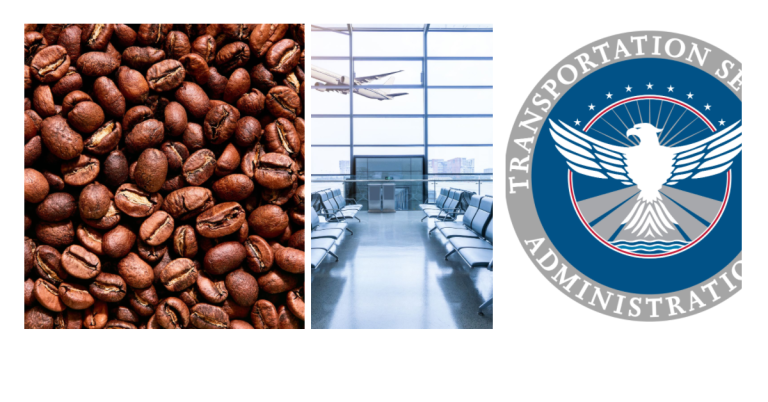
Yes. TSA lists coffee beans and ground coffee as allowed in carry-on and checked bags, with no quantity limit stated. Flying into the United States from abroad, you must declare …
Stale roasted beans are not spoiled. They make flat but safe coffee unless they smell musty or look furry, so brew them a little stronger or use them in milk …
© 2026 My Coffee Beans. All Rights Reserved.