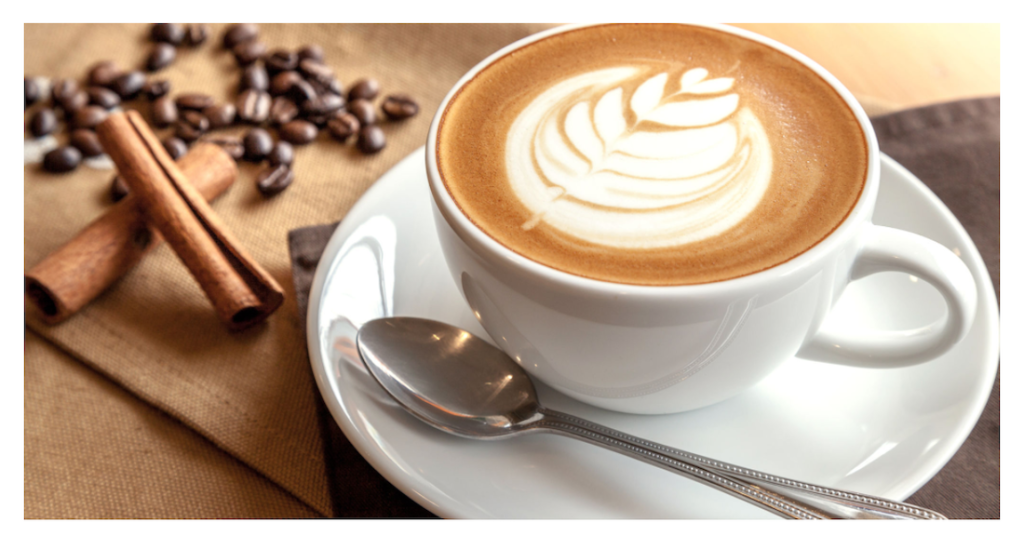
Italian roast is the darker of the two, but neither name is a standard. On the National Coffee Association’s light-to-dark list French roast is second from the end and Italian roast last, yet one roaster’s French roast can be darker than another’s Italian. Both are dark roasts, less acidic than lighter ones, and caffeine changed little across one study’s roasts.
The NCA lists “Popular roasts you may see on coffee packaging, from light to dark” as blonde or cinnamon roast, city roast, full city roast, Vienna roast, French roast, Italian roast, and says the labels are a roaster’s vocabulary, not a scale: “one roaster’s dark coffee may be different than another’s, and most roasters have specialized names for their roasts”, and “If you see ‘Italian roast coffee’ or ‘French roast coffee,’ that’s a dark roast” (NCA, Roasts). So no bag is mislabeled when one roaster’s French roast is darker than another’s Italian.
Table of Contents
French roast and Italian roast, side by side
| French roast | Italian roast | |
|---|---|---|
| Position in the NCA light-to-dark list | Second darkest | Darkest |
| In Hottop’s roaster manual | Reached at fast second crack; very dark brown, “Very shiny/oily” | Not listed; its darkest style, “Spanish”, is extremely dark brown and “Wet with Oil” |
| In Ukers’ All About Coffee (1922) | “cooked until the natural oil appears on the surface” | “roasted to the point of actual carbonization, so that it can be easily powdered” |
| Acidity in the cup | Low | Low |
| Origin character | Largely replaced by roast flavour in both | |
| Caffeine | Little difference in the one study that measured a roast series; roast level is a weak lever on caffeine either way | |
| How reliable is this? | A convention, not a standard. One roaster’s French roast can be darker than another roaster’s Italian. | |
Sources: NCA, Roasts; Hottop roaster manual; Ukers, All About Coffee (1922). In our view, once two coffees are both roasted past second crack, the difference the label promises is smaller than the difference between two roasters, two origins or two bags. What French roast is, on its own, is covered at what French roast coffee is.
What temperature is Italian roast roasted to?
We found no source for a fixed Italian-roast temperature. What can be sourced is much vaguer: the NCA says beans are “rapidly brought to a very high internal temperature (over 400 degrees Fahrenheit), then quickly cooled”, and that is a statement about roasting in general, not about Italian roast in particular. One data point, not an Italian-roast temperature: the darkest of five batches of a natural Ethiopian coffee in a 2024 study read 440 °F on the study’s bean probe when it was dropped (Lindsey et al., supplementary table S1).
There is a structural reason published crack-and-drop temperatures disagree with each other by tens of degrees: a roaster’s reading depends on where its probe sits and how the machine is built. Our coffee roast levels page sets out why we do not print an unsourced roast temperature chart, and this page follows it.
Is Italian roast for espresso?
Not by definition. The NCA: “Espresso roast isn’t a specific roast level. The coffee in an ‘espresso roast’ or ‘espresso blend’ will be roasted according to what the roaster thinks will best serve the espresso method of brewing. (Often it will be a medium to dark roast.)” Dark roasts are common in espresso blends, and Italian roast has an obvious naming association with the drink, but “this roast is for espresso” is a marketing convention rather than a property of the beans.
Does the darker roast have less caffeine?

Per scoop, yes: a scoop of a darker roast holds fewer grams. Per gram, barely, and between Italian and French roast specifically the difference is not worth choosing on. The mechanism is that roasting drives mass out of the bean and puts air into it, so a scoop of a very dark roast holds fewer grams of coffee than a scoop of a light one. The measured mass losses and porosity figures behind that, and the study that measured brewed caffeine across a full roast series, are set out on our coffee roast levels page rather than repeated here. The NCA’s own summary is the short version: “Don’t be fooled by the strong, rich flavor of those dark roasts—that characteristic is not associated with caffeine levels!”
Weigh your dose on a scale and the whole argument stops mattering. If you actually want less caffeine, the roast aisle is the wrong aisle — see decaf coffee beans, which also covers why decaf is not caffeine-free.
Why both look oily, and what that does and does not tell you
Roasted this far, both coffees show oil on the surface. The NCA describes the light end of the scale as having “a matte texture – they’re not roasted long enough for oils to break through to the surface”, and the dark end as producing “shiny black beans with an oily surface”. The oil is not added and it is not a grade — it is a roast-level signal. It has practical consequences for grinders and super-automatic machines, which we cover at why some coffee beans are oily.
Brewing either one
- Ratio. The house figure for filter brewing is the Specialty Coffee Association’s standard brew ratio: “The standard brew ratio of 55 g of coffee per 1.000 kg of 17±3°C water” (SCA Standard 310-2021, Home Coffee Brewers, §7.1.5), which is 1:18 by weight. A coffee “cup” is 6 fl oz, not 8, and stronger means more coffee, not less.
- Temperature. 90–96 °C, with the standards and the reasoning on our best temperature for French press coffee page rather than restated here.
- Method. A moka pot and a French press will both make a good cup of either roast; so will a drip machine.
- If it comes out harsh, the first two things to change are a coarser grind and less contact time — not hotter water. Grind fresh.
Brew times are the one place we are not going to give you a number dressed up as a fact. Typical starting points for each method are on the method pages, and the only way to find yours is to change one variable at a time.
So which should you buy
Because the two labels are not defined against each other, the useful question is not “Italian or French” but “how dark does this particular roaster go, and do I like it”. Buy the same origin from the same roaster at both labels and taste them side by side; that comparison is meaningful in a way that comparing one roaster’s Italian to another’s French is not. If neither suits you, the problem may be the whole dark end of the scale rather than the choice between two points on it, and coffee roast levels covers what changes as you move lighter.
Disclaimer: This page is general information about coffee, not medical advice. Caffeine and acidity affect people differently; if you have been advised to limit caffeine or you are managing a stomach, heart or sleep condition, follow that advice rather than a general article.
Corrections to earlier versions of this page
An earlier version also gave flavor profiles as though someone here had tasted them. The old page described Italian roast as “a balance of smoky sweetness, often with hints of caramel or dark chocolate” and French roast as “smoky, bittersweet”, and called the result “a symphony of taste”. Nobody at this site cupped either coffee. What is defensible is a category description, and it comes from the NCA’s own wording for dark roast: “shiny black beans with an oily surface and a pronounced bitterness”, and with darker roasts “your brewed coffee will be even less acidic than lighter roasts.” Beyond that, tasting notes belong to a specific bag from a specific roaster, and this page is not in a position to write them.
One claim was quietly medical and has been deleted. The old page said the low acidity of Italian roast makes the coffee “easier on the stomach”. Low acidity in the cup is real and the NCA states it; whether that translates into a gentler experience for a particular person’s stomach is a health claim, it was unsourced, and it is not one a roast-comparison page should be making. If that is the reason you are here, our page on why coffee makes you nauseous handles it properly.
Also corrected: an earlier version said Italian roast beans “are roasted until they reach an internal temperature of about 240°C (464°F)”, with no source; its comparison table listed “Espresso” as the best use for Italian roast; its table gave the two roasts’ appearance with no source; it called surface oil on an older bag “partly an age signal”, which we could not source; and it said a roast this dark “stales fast once the oil is on the outside of the bean”, which we could not source either.