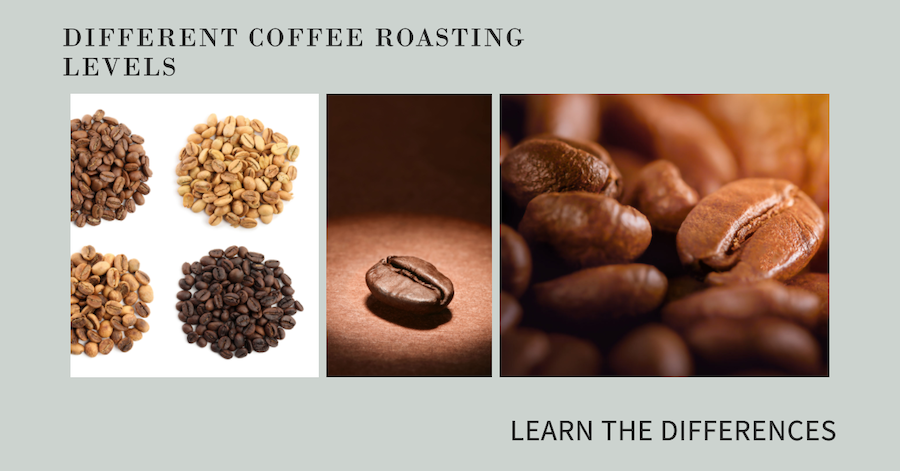
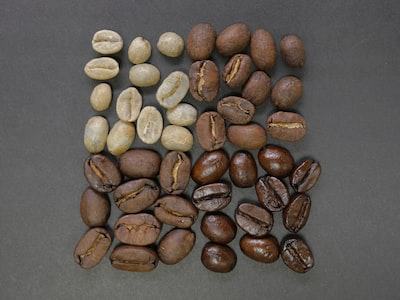
Coffee roast levels run light, medium and dark by bean color, but the names are not tied to one standard, so where one ends and the next begins depends on the roaster. Light roasts are matte and the most acidic, medium roasts are medium brown and non-oily, and dark roasts are shiny, oily and more bitter.
On caffeine: measure your coffee by weight and the difference between a light and a dark roast is small. Measure it by the scoop and the light roast wins, because roasting drives moisture out of the bean and puffs it up, so the same scoop of dark roast holds fewer grams of coffee. Weigh your dose and most of the argument disappears.
Table of Contents
Light, medium and dark roast compared
| Attribute | Light roast | Medium roast | Dark roast |
|---|---|---|---|
| Color | Light brown | Medium brown | Shiny black |
| Bean surface | Matte, no oil | Not oily | Oily |
| Acidity in the cup | Most acidic | Between | Least acidic |
| Bitterness | Least | Between | Pronounced |
| Origin character | Best preserved | Partly kept | Largely replaced by roast flavour |
| Caffeine per gram | Small differences; measured peak around light-to-medium, falling only at the darkest roasts | ||
The colour, surface and acidity rows are the NCA’s own descriptions: a light roast is “light brown in color” with “a matte texture – they’re not roasted long enough for oils to break through to the surface”; a medium roast is “medium brown in color with a stronger flavor and a non-oily surface”; a dark roast “produces shiny black beans with an oily surface and a pronounced bitterness.” On acidity the NCA is explicit in both directions — “The lighter the roast, the more acidic your brewed coffee will be”, and with darker roasts “your brewed coffee will be even less acidic than lighter roasts.” If you want the mechanism behind that oily surface, we cover it in why some coffee beans are oily.
Does roast level change caffeine?
Start with the trade body. The National Coffee Association says light roasts have “a slightly higher amount of caffeine”, and then adds the part that gets left out: “Is dark roast coffee stronger? No, actually. Don’t be fooled by the strong, rich flavor of those dark roasts—that characteristic is not associated with caffeine levels!” (NCA, Roasts). Dark roast tastes stronger. That is a flavour effect, not a caffeine one.
Now the measurement. The 2024 study brewed every roast at a fixed weight ratio — “A nominal 15:1 ratio of prepared brew water (150 g) to ground coffee (10 g) was used for all brews” — so roast level was the only thing changing. Two findings matter here:
- Caffeine in the cup peaked in the middle, not at the lightest roast. “Maximum values for caffeine concentrations (in 10-min brews) were observed in roast batches with ∼14–16% roasting losses (generally light to medium roast levels)”, and concentrations “decreased for roast batches with drop temperatures greater than ∼400–420 ∘F.”
- At a 10-minute brew the spread was small. The study’s reported ranges, “134–165 and 145–165 mg per (8 oz) cup”, include 1- and 2-minute brews. At 10 minutes the five roasts of the natural coffee ran from 161.3 to 165.0 mg and the washed coffee from 151.9 to 165.4 mg, the low end being the washed coffee’s lightest batch, which the authors say would likely be called “underdeveloped” (supplementary tables S3 and S4). The brews were AeroPress immersions at 15:1 water to coffee, stronger than the SCA’s 1:18 standard used on this page.
What the five roasts of the natural coffee measured, from the study’s supplementary tables S1 and S3. The batch names count minutes after first crack began, and Agtron is a reflectance reading: the lighter the roast, the higher the number.
| Roast batch | Weight lost in roasting | Roast time | Drop temperature (bean probe) | Agtron, whole / ground | Ground coffee density | Caffeine, 10-minute brew (8 oz cup) |
|---|---|---|---|---|---|---|
| R0 (lightest) | 12.2% | 7.2 min | 385 °F | 67 / 95 | 0.415 g/mL | 163.9 mg |
| R1 | 14.0% | 8.3 min | 402 °F | 54 / 73 | 0.359 g/mL | 165.0 mg |
| R3 | 16.3% | 10.3 min | 425 °F | 40 / 50 | 0.312 g/mL | 164.0 mg |
| R5 | 18.3% | 12.3 min | 435 °F | 31 / 36 | 0.280 g/mL | 161.7 mg |
| R7 (darkest) | 20.0% | 14.3 min | 440 °F | 23 / 30 | 0.242 g/mL | 161.3 mg |
One natural-process Ethiopian coffee, one lab roaster, AeroPress brews at 15:1 (Lindsey et al., Scientific Reports 2024, supplementary information). The drop temperature depends on where a roaster’s probe sits, so these numbers describe this study’s batches, not a scale for your roaster.
So where does the popular belief come from? From the scoop. Roasting takes mass out of the bean and puts air in. The NCA describes the finished bean plainly: “the coffee roasting process has removed nearly all moisture from the beans, so they weigh less and are crunchy to the bite.” The 2024 study put numbers on the same two changes: roasting mass losses running from about 8.9% at the lightest roast to about 20.0% at the darkest (8.9% is the washed coffee’s lightest batch, 20.0% the natural coffee’s darkest), and — measuring pores in electron-microscope images of the beans themselves — “Fractional porosity measurements ranged from 13.6% for the unroasted green coffee to 45.8% for the R7 roast batch”, R7 being its darkest roast (the porosity series is from the washed coffee).
Dark-roast beans weigh less and take up more room, so a scoop holds less coffee. The study measured it: a level scoop of ground coffee from the darkest natural batch held about 40% fewer grams than the lightest (0.242 against 0.415 g/mL, supplementary table S1). That is the whole trick: the two claims people argue about — “light roast has more caffeine” and “roast level barely matters” — are both true, one per scoop and one per gram.
The fix is a kitchen scale rather than a spoon. Our house figure is the one the Specialty Coffee Association prints in its home brewer standard: “The standard brew ratio of 55 g of coffee per 1.000 kg of 17±3°C water” (SCA Standard 310-2021, Home Coffee Brewers, §7.1.5, a copy hosted by CoffeeGeek), which works out at 1:18 by weight. Note also that in coffee a “cup” is 6 fl oz, not 8, and that stronger means more coffee, not less. For water temperature we have a separate page: the best temperature for French press coffee, which carries the sourced range and where it comes from.
Does roasting burn off caffeine?
Only at the dark end of the roast. Caffeine does leave the bean, but only late. In a 2024 study that roasted two green coffees to five degrees of roast each and measured brewed caffeine by HPLC, the authors found that “caffeine did indeed leave the coffee seeds during roasting after a certain degree of roast was achieved, but […] sublimation effects did not become significant until the bean probe temperature exceeded values of approximately 400–420 ∘F” (Lindsey et al., Scientific Reports 2024;14:29126).
Roast names are not standardised, and that is not a small caveat
There is no single legal or industry definition that roasters follow for the three names. The SCA’s home-brewer standard specifies its test coffee with SCA/Agtron Roast Color Tiles, “roast level between #55 to #65”, but a “medium” on a bag is not mapped to that scale. The NCA puts it like this: “Roasters may measure the color of the coffee beans they roast to confirm that they are creating a certain roast level—lighter or darker—yet one roaster’s dark coffee may be different than another’s, and most roasters have specialized names for their roasts.” On the dark end specifically: “Dark roast coffee runs from slightly dark to charred, and names are often used interchangeably.”
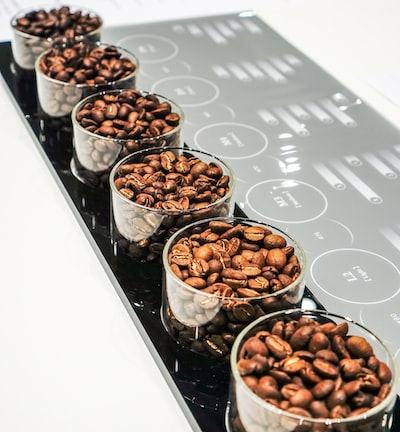
The NCA does publish an ordering of the common names, listing “Popular roasts you may see on coffee packaging, from light to dark” as: blonde or cinnamon roast, city roast, full city roast, Vienna roast, French roast, Italian roast. Treat that as the conventional ordering rather than a rule — by the NCA’s own account, one roaster’s French roast may be darker than another roaster’s Italian. Two dedicated pages follow the same ordering: what French roast coffee is and Italian roast compared with French roast.
A home-roaster manual describes similar names by what the beans are doing. Hottop’s roaster manual pairs each name with a stage of the roast and a look, and warns that “these roast style names are general in nature”. Its list differs from the NCA’s: Viennese for Vienna, and Spanish, not Italian, as the darkest.
| Name | Stage of the roast | Bean color | Surface |
|---|---|---|---|
| Cinnamon | Start of first crack | Light brown | Dry |
| Light | First crack | Light-medium brown | Dry |
| City | End of first crack | Medium-brown | Dry |
| Full city | Start of second crack | Medium-dark brown | Dry/shiny |
| Viennese | Slow second crack | Dark brown | Spots of oil |
| French | Fast second crack | Very dark brown | Very shiny/oily |
| Spanish | Fast second crack | Extremely dark brown | Wet with oil |
One more label worth deflating: espresso roast is not a roast level. The NCA again: “Espresso roast isn’t a specific roast level. The coffee in an ‘espresso roast’ or ‘espresso blend’ will be roasted according to what the roaster thinks will best serve the espresso method of brewing. (Often it will be a medium to dark roast.)”
First crack, second crack, and why we do not print an unsourced temperature chart
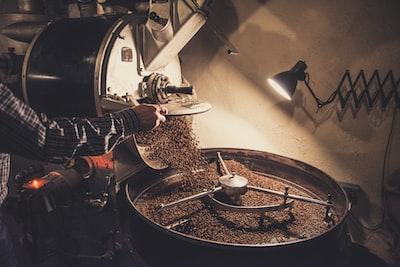
Roasters navigate by two audible events. First crack is the bean expanding and rupturing as trapped water flashes to steam — the popcorn-like sound that marks the start of the drinkable range. Second crack comes later and sounds finer and faster; by then the bean’s structure is breaking down and oil is migrating to the surface, which is why dark roasts look shiny.
Fixed temperatures for those two events are exactly the kind of number this site used to invent, so here is what we can actually stand behind. The NCA says beans are “rapidly brought to a very high internal temperature (over 400 degrees Fahrenheit), then quickly cooled.” The 2024 study measured caffeine loss becoming significant above a bean probe temperature of roughly 400–420 °F. Notice the words “bean probe”: a roaster’s temperature reading depends on where the probe sits and how the machine is built, which is why published crack temperatures disagree with one another by tens of degrees. We are not going to add another unsourced chart to that pile. If you want to work in this range yourself, start with roasting coffee at home and trust your ears and the bean colour over any number on a page.
Which roast should you buy
- If you want to taste where the coffee came from, go lighter. The NCA’s summary is that “lighter roasts will preserve more of the unique qualities of a coffee compared to a darker roast.”
- If you want the flavour people mean by “coffee-tasting coffee”, or you are adding milk, go darker. Roast flavour survives milk better than delicate origin notes do.
- If acidity bothers you, darker is measurably less acidic in the cup, per the NCA’s description above.
- If you are choosing on caffeine, roast level is close to the least important lever you have. Dose, grind and brew time all move it further. Weigh the dose and stop worrying about the colour.
- If you want less caffeine specifically, the roast aisle is the wrong aisle — see decaf coffee beans, which also covers why decaf is not caffeine-free.
Because roast names are a roaster’s own vocabulary rather than a scale, the only reliable way to find your level is to buy the same origin from the same roaster at two different roast levels and taste them side by side. Nobody on this site has run that comparison for you, and any page that reports tasting notes for “medium roast” in the abstract is describing a category that does not have a fixed meaning.
Disclaimer: This page is general information about coffee, not medical advice. The caffeine figures are one study’s measurements, not a figure for your cup; if you have been told to limit caffeine, ask your clinician how much is right for you.
Corrections to earlier versions of this page
An earlier version of this page put the caffeine claim in absolute terms and never said by what measure. Its summary table had a Caffeine Content row reading Highest, Moderate, Lowest across light, medium and dark, and the dark roast section said “Lowest caffeine content among roast levels”. A claim like that is only true or false once you say whether you are comparing equal weights or equal volumes, and the old page never did.
The page also disagreed with itself about the size of the effect. The table said “Highest” and “Lowest”, which sounds like a large gap; the FAQ at the bottom said light roasts have “slightly higher caffeine content”, which is a small one. Both cannot be the headline. The measured answer is closer to “slightly”, and it is not even a straight line; see the caffeine section above.
Two claims have been deleted outright because nothing supported them. The old FAQ said darker roasts “are high in antioxidants, while light roasts have higher concentrations of chlorogenic acid, which has been linked to health benefits like reducing blood pressure.” No source was given, no figure was given, and we are not leaving a blood-pressure claim on a page about roast colour. The roasting temperature table — 356–401 °F for light, 410–428 °F for medium, 464–482 °F for dark — was also unsourced, and it is gone for the reason set out in the section on first and second crack.
Also corrected: an earlier version said caffeine falls “due to extended roasting” without saying it leaves the bean only late; it presented the study’s “134–165” mg range as the spread across roasts, although that range includes 1-minute brews; and it did not say that roast names are not tied to a standard.