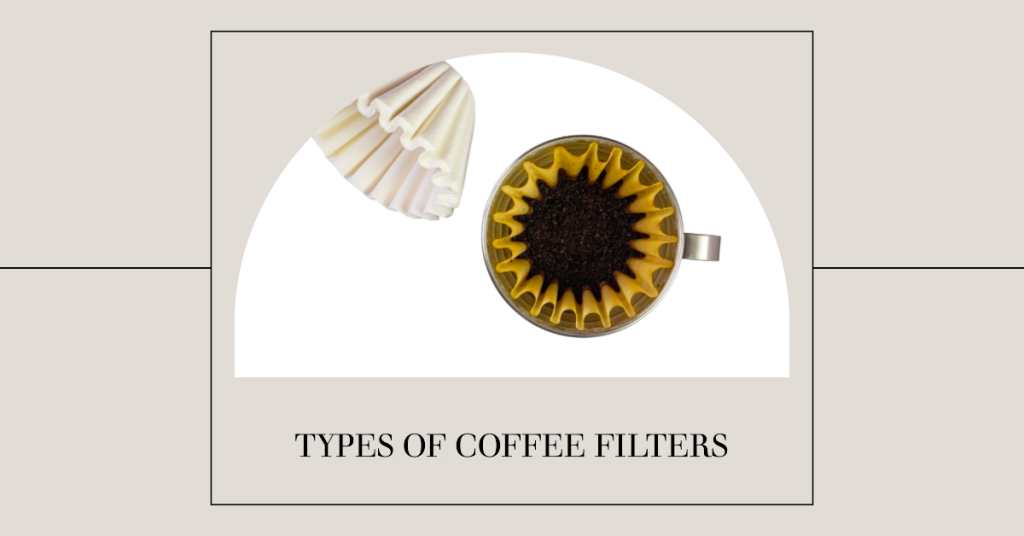
A paper filter holds back cafestol and kahweol, the coffee oils that raise LDL cholesterol; a metal filter lets them through, and cloth sits in between. If your cholesterol is something you or your doctor are watching, that is the whole decision. If not, choose by taste: paper gives the cleanest cup, metal the heaviest.
Table of Contents
Paper vs metal vs cloth: which coffee filter is better?
| Property | Paper | Cloth | Metal |
|---|---|---|---|
| Oils and sediment retained | Most | Between | Least |
| Cup character (general descriptions, not our tasting notes) | Clean, light, transparent | Smooth, some body | Heavy, full, some silt |
| Cafestol / kahweol in the cup (mg/L) | Low (12/8, home-brewed paper-filtered) | Between paper and metal on the NCA’s ordering; one test (boiled coffee through a polyester/acrylic sock) gave 28/21 | Far above paper (about 90/70 for French press and percolator; 176/142 for workplace machines with metal filters) |
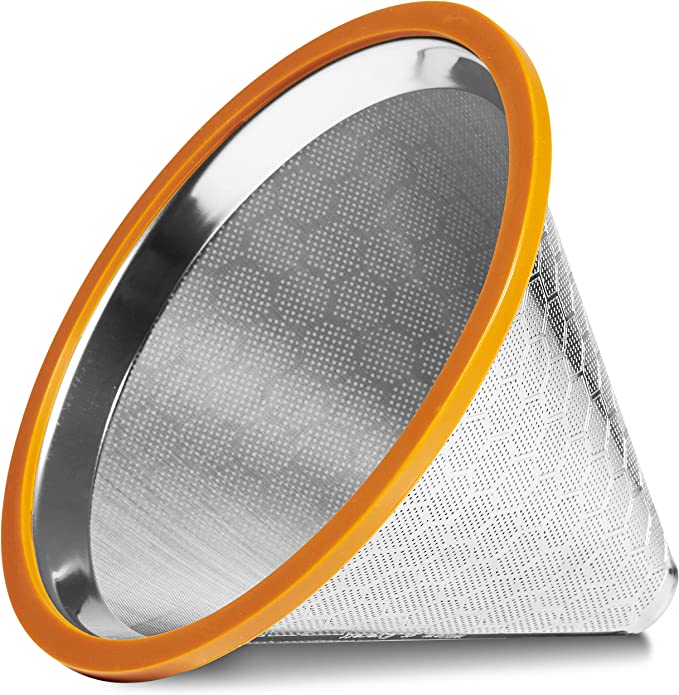
| Reuse | Single use | Reusable, needs careful cleaning | Reusable, effectively indefinitely |
| Main failure mode | Running out of them | Souring or mold if stored damp | Oil build-up dulling the taste |
The cholesterol finding, checked
Two sources hold the finding up.
The effect. A toxicological review prepared for the National Institute of Environmental Health Sciences states it directly: “The cholesterol-raising effect of boiled coffee in humans has been linked with these diterpenes. Studies have shown that an intake of cafestol and kahweol causes an increase in total cholesterol as well as low density lipoprotein (LDL) cholesterol, triglycerides, and alanine aminotransferase (ALT) activity.” It also explains why a filter is the lever at all: “Brewing releases oil droplets containing the two compounds from the ground coffee beans” (NIEHS/NTP, Cafestol and Kahweol: Review of Toxicological Literature, 1999, PDF).
The same review summarizes a controlled human trial: volunteers drinking 0.9 L of cafetière (French press) coffee a day for 24 weeks, delivering 38 mg of cafestol and 33 mg of kahweol, showed LDL cholesterol raised by 9 to 14% above baseline relative to a filtered-coffee group whose brew provided under 1 mg of the diterpenes. Two more details: ALT activity rose too, and “All increases, however, were reversible upon withdrawal of treatment.”
The amounts, measured recently. A 2025 study analyzed coffees by liquid chromatography–mass spectrometry (Orrje et al., Nutrition, Metabolism and Cardiovascular Diseases, 2025). Median cafestol and kahweol were 176 and 142 mg/L in coffee from 11 Swedish workplace brewing machines (two samples each) and 12 and 8 mg/L in home-brewed, paper-filtered coffee (five brands, each brewed through two kinds of paper filter). Four other brews are each reported as the mean of duplicate analyses: French press and percolator coffee had intermediate levels, about 90 and 70 mg/L, and boiled coffee had 939 and 678 mg/L, which pouring it through a two-layer polyester/acrylic sock cut to 28 and 21. That is about eight times as much in a French press as in paper-filtered coffee.
Three caveats, because this is a health claim and it should not be oversold:
- The evidence is about LDL cholesterol. It is not a demonstration that switching filters prevents a heart attack.
- The trial dose was 0.9 liters of French press coffee a day for six months. One cup a day is a much smaller exposure, and the effect reversed when the coffee stopped.
- The two sources do not agree on everything. The 1999 review calls percolated coffee “negligible” in diterpenes; the 2025 measurements put a percolator near a French press. Where they disagree we have used the newer measurements. The 2025 authors also say their concentrations were “higher in our analyses than previously demonstrated”, for boiled coffee for example, that their French press result was lower than earlier studies found, and that the study’s “small sample size” is one of its major limitations.
One footnote that surprises people: decaf does not help here. The NIEHS review notes that “Regular and decaffeinated coffees also have similar diterpene contents.” This is an oil question, not a caffeine question.
How do paper, metal and cloth filters change the taste?
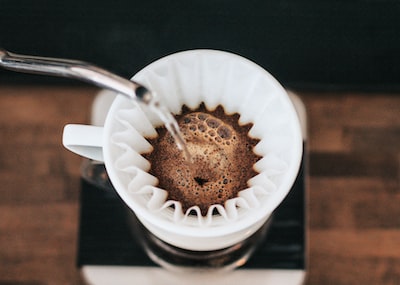
The mechanism is the same one as above: the more oil and fine sediment a filter holds back, the cleaner and thinner the cup, and the more it lets through, the heavier and muddier. The National Coffee Association orders the three materials this way: “Cloth filters tend to absorb more oils and sediments than a metal filter but less than paper filters”, and “Generally, paper filters absorb more of the oils in coffee, which can contribute to a cleaner, lighter taste” (NCA, Cold brew coffee).
None of the flavor descriptions above are our tasting notes. We have not run a blind comparison, and any page that gives you one without describing how it was run is inventing it.
Bleached versus unbleached paper
White filters have been whitened; brown ones have not. That is the difference. We found no published measurement of a taste difference or a safety difference between the two in brewed coffee, and rather than fill that gap with an opinion we will say so.
The worry people have usually heard is about dioxin. Here is where that concern comes from: dioxin (2,3,7,8-TCDD) is a regulated priority pollutant in the effluent of pulp and paper mills, controlled by the EPA under its Pulp, Paper and Paperboard Effluent Guidelines, amended by the 1998 Cluster Rule. That is a rule about what mills may discharge into water, not a measurement of what is in your filter or your cup, and we are not going to present it as one. If you would rather avoid chlorine bleaching entirely, oxygen-bleached and unbleached filters are both sold everywhere.
Rinsing the filter
Rinsing a paper filter is a reasonable habit, and the National Coffee Association advises it: unbleached filters “can create an unpleasant, papery taste”, it says, so “just rinse any paper filter before brewing”. Preheating is the part we can explain: pouring hot water through the filter and the brewer warms the cone or the carafe so your brew water is not immediately cooled by cold ceramic or glass, and it seats the paper against the wall so water does not run down the gap. The paper-taste part we could not find a measurement for. Some people taste it, some do not, and there is no published blind test we can point you at.
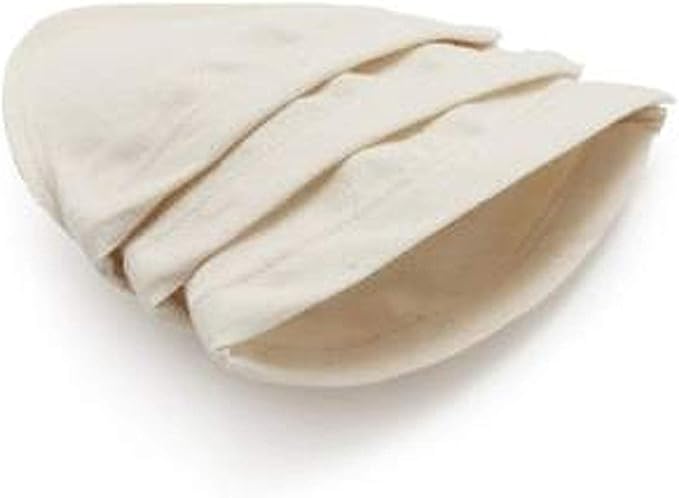
Cloth is the one that needs a routine, because it holds coffee oil and stays damp. The NCA’s instruction is specific: “Rinse and dry cloth filters thoroughly; you can use mild detergent to wash if preferred. Every six to eight weeks, boil the filters in fresh water for 10 minutes.” Metal filters need oil removed periodically or the residue turns rancid and shows up in the cup. Paper needs nothing, which is most of its appeal.
Coffee filter types: shapes and sizes
Paper filters come as cones, flat-bottomed baskets and flat discs, and each maker names its own sizes. Melitta’s US pages say which of its filters fit which brewers:
| Shape | Melitta size | What Melitta says it fits |
|---|---|---|
| Cone | #2 | All 2-6 cup electric and 1-cup non-electric cone and manual coffeemakers |
| Cone | #4 | All 8-12 cup cone coffeemakers |
| Cone | #6 | All 10-cup non-electric cone coffeemakers |
| Basket | 4-6 cup | 4-6 cup basket-style electric coffeemakers |
| Basket | 8-12 cup | 8-12 cup basket-style electric coffeemakers |
| Disc | 3.5 disc | Percolators: the disc lies flat on the bottom of the basket |
For cones, match the number on the box (#2, #4, #6) to the one your brewer’s manual names. For baskets, the cup range on the box is the size. Either way, a maker’s “cup” is not a fixed volume, and in coffee a cup is conventionally 6 fl oz rather than 8, so go by the manual rather than by your mug.
Which coffee filter should you use?
- Watching your LDL, or told to? Paper, and preferably not a daily French press. This is the only part of the choice with a measured health consequence.
- Want body and texture? Metal. You are drinking the oils on purpose; that is the point of a French press.
- Want to stop buying filters without losing much clarity? Cloth, if you will keep it clean. If it will live damp in a drawer, buy paper.
- Brewing cold? The NCA notes that “Cloth is the most common material for cold brew coffee filters, though some brewers do support the use of paper filters for additional filtration.” Our page on cold brew versus nitro coffee covers the rest of that method, including the concentrate question.
Whatever you choose, filter type is a smaller lever on taste than dose, grind and water temperature. If your coffee is not right, start with those: our house ratio is 55 g of coffee per kilogram of water (1:18 by weight), the roast question is covered in coffee roast levels, and the sourced brewing temperature range lives on best temperature for French press coffee. If you brew from pods instead, types of coffee pods covers which pod fits which machine, and coffee tools and accessories covers scales and grinders.
Disclaimer: This page is general information, not medical advice. The cholesterol findings described here come from published research on groups of people and do not predict what will happen to any individual. If you are managing high cholesterol, or taking medication for it, decide with your own clinician rather than on the basis of a coffee article.
Corrections to earlier versions of this page
- It put cloth closer to metal on oils, saying cloth filters “allow some oils to pass through” but “filter out most of the fine particles, resulting in a clean and smooth brew”. The NCA’s ordering puts cloth between paper and metal.
- It said to always rinse a paper filter “to remove any paper taste”. We found no measurement of a paper taste; preheating the brewer is the part we can explain (it keeps the brew water hot), but we cite no measurement for it.
- Its FAQ mapped #1, #2 and #4 cone filters to cup counts with no source. The sizes above are Melitta’s own.
- An earlier version had not checked the cafestol claim against its sources; this version has.