Grinding Coffee in a Ninja Blender: What Ninja Says
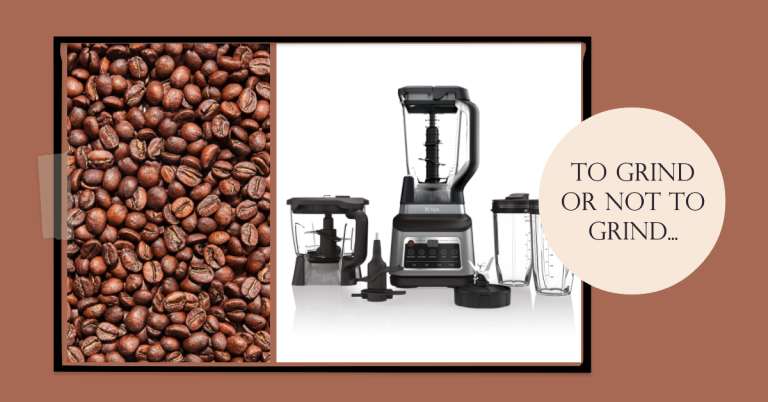
Ninja does not document any of its blenders as a coffee grinder. If you want ground coffee, use a grinder.
Ninja does not document any of its blenders as a coffee grinder. If you want ground coffee, use a grinder.
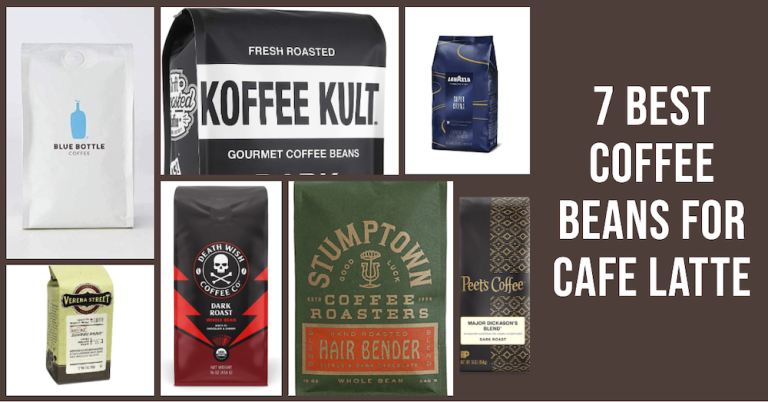
Seven coffees often bought for lattes, with each roaster’s own roast level, species and origin side by side, and why decaf is not caffeine-free.

In USDA’s annual coffee report the whole US crop is Hawaii’s: 20.2 million pounds of cherry, about 3.9 million pounds green, from 6,500 bearing acres in 2025-26. Hawaii’s state law …

Honduras grows the most coffee in Central America: the USDA forecasts 6.03 million 60-kg bags for 2026/27, ahead of Guatemala (3.26 million), Nicaragua (2.44 million), Costa Rica (1.20 million) and …
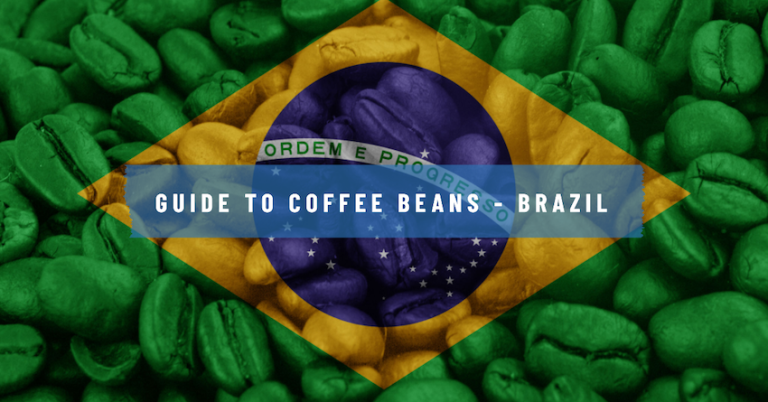
Brazil grows nearly 40 percent of the world’s coffee, by the USDA Foreign Agricultural Service’s count, and is forecast to harvest a record 71.9 million 60-kg bags in 2026/27: 47.5 …
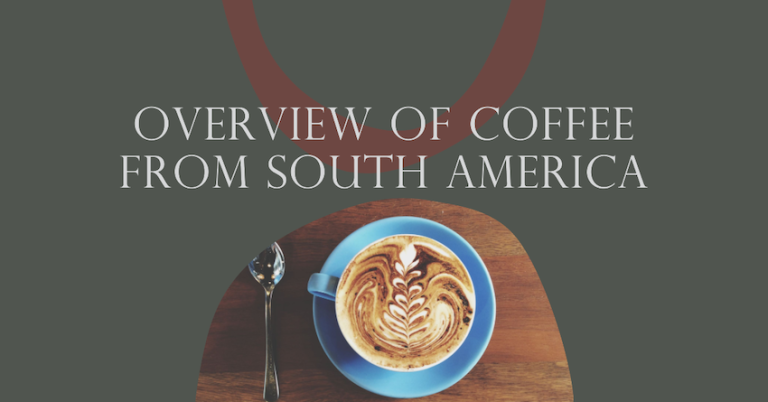
Brazil, Colombia, Peru and Ecuador grow just under half the world’s coffee: 90.4 million of a forecast 189.7 million 60-kg bags in 2026/27, or 47.7 percent, says the USDA. Brazil …
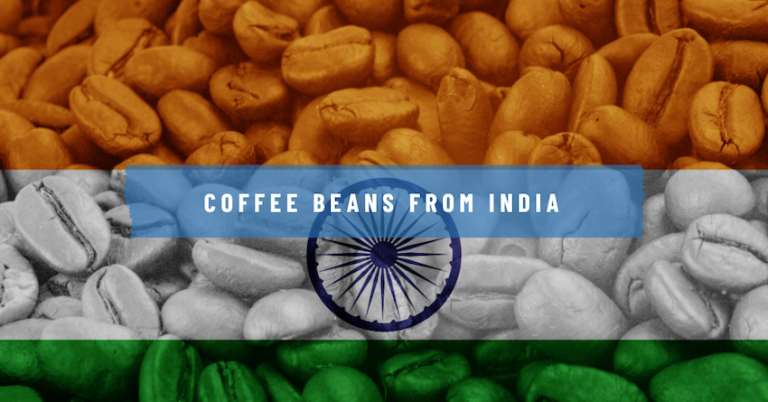
India grows mostly robusta: the Coffee Board estimates 284,000 of its 404,000 tonnes for 2026-27, or 70 percent, and USDA puts the share higher still. Nearly all of it is …

Asia grows a little under 30 percent of the world’s coffee, and 89 percent of what USDA splits by species is robusta. Vietnam leads, forecast at 32.5 million 60-kg bags …
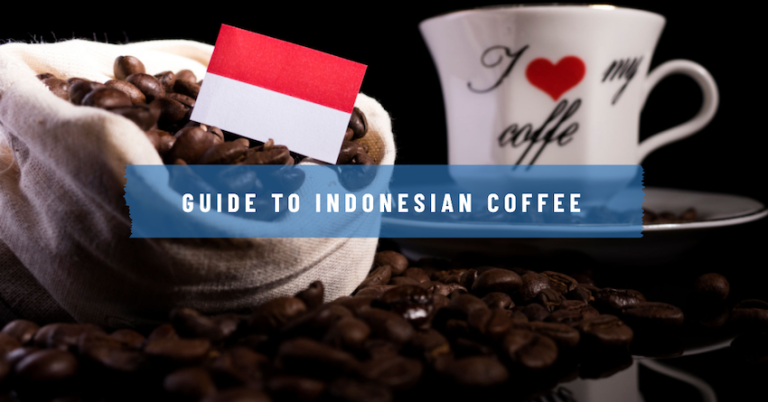
Sumatran coffee is known for wet hulling, which Indonesians call giling basah: the parchment comes off while the bean is still wet, at 40 to 45 percent moisture in a …
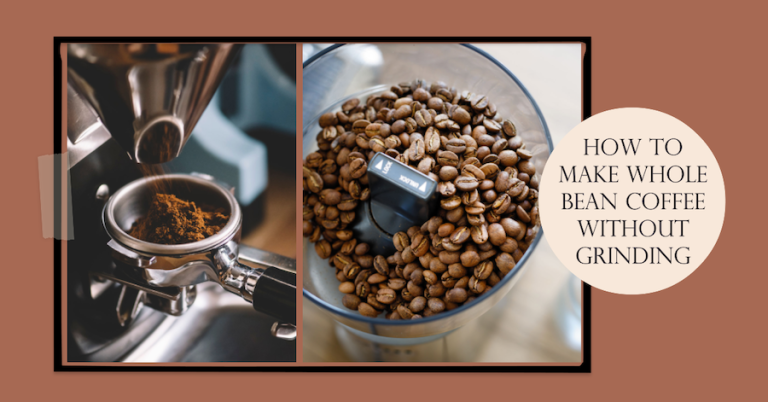
Yes, you can brew whole beans, but you will get a weak cup, and the better answer is usually to crush them with something you already own.

A latte is espresso with steamed milk poured in and a thin cap of foam on top. Coffee, here, means brewed coffee with no milk. So most of the difference …
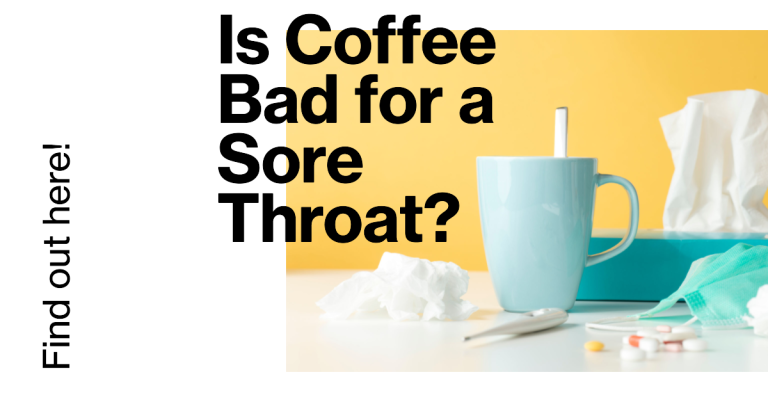
Probably not: we found no study showing coffee worsens a sore throat. Standard advice allows warm or cold drinks, so let coffee cool until swallowing is comfortable, or have it …

Skip coffee entirely on the day of surgery. For the first few days, drink it lukewarm or cold, from a cup, never through a straw.
A long black is hot water in the cup first, then a double shot of espresso poured on top. That order is the main difference from an americano, which is …
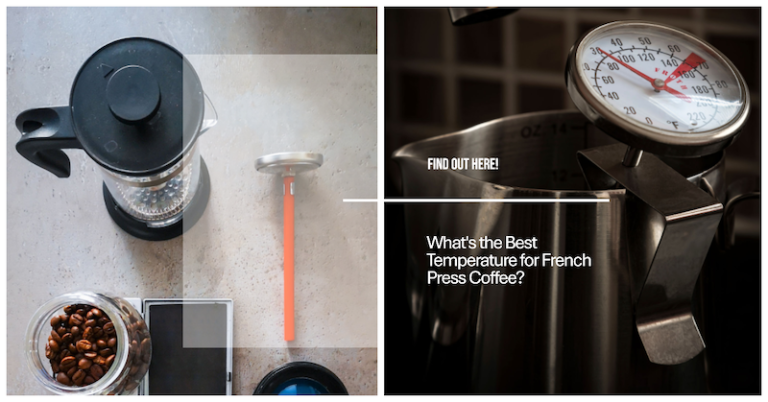
Brew French press coffee with water at 194 to 205 °F (90 to 96 °C). The National Coffee Association gives about 93 ± 3 °C for a French press: boil the water, take …
The method with the most control is a small saucepan on low heat, stirring, taken off before it steams hard. In a microwave, follow your manual: Panasonic’s says to stir …
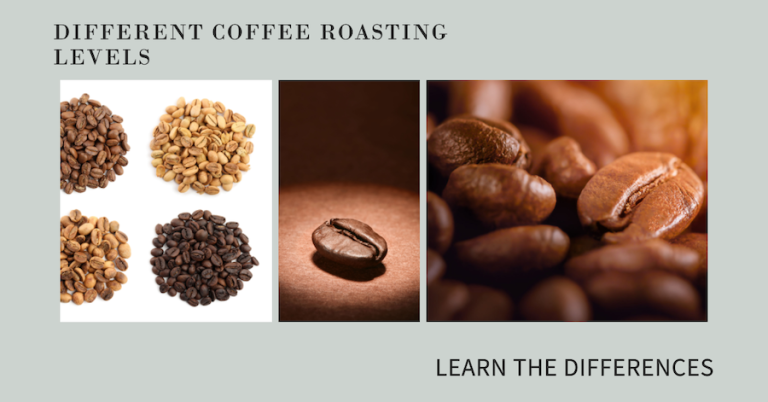
Coffee roast levels run light, medium and dark by bean color, but the names are not tied to one standard, so where one ends and the next begins depends on …
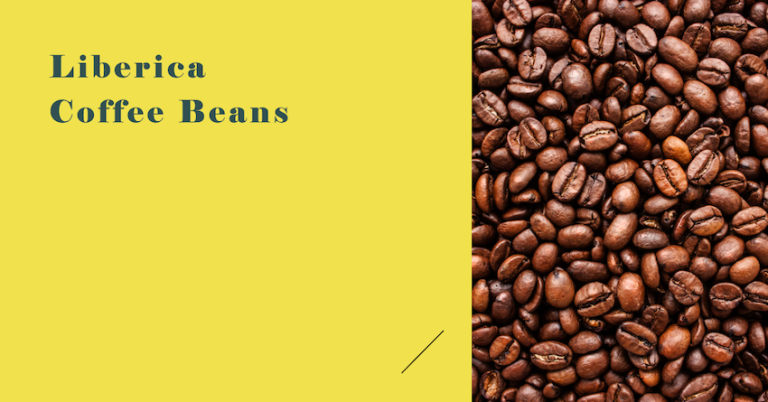
Liberica is Coffea liberica, a species native to upper West Africa and grown today mainly in Southeast Asia, notably the Philippines (where it is called barako), Malaysia and Indonesia. It …
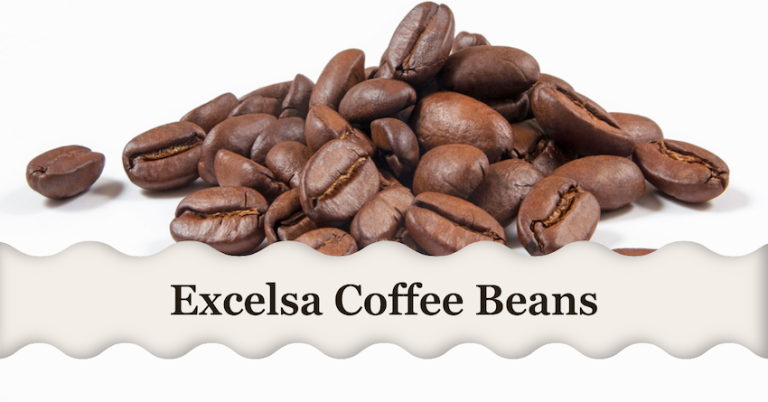
Excelsa is a coffee species, Coffea dewevrei, native to Central Africa and now farmed in Uganda, South Sudan, India and parts of Southeast Asia. It was long treated as a …
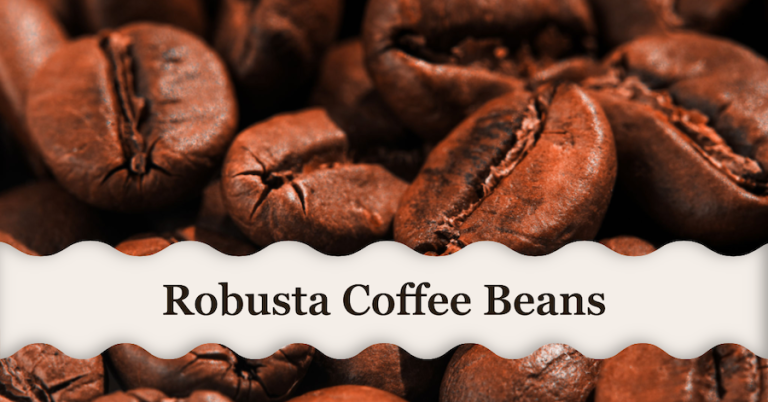
Robusta is the trade name for coffee from the species Coffea canephora. It carries more caffeine than arabica, grows lower and hotter, and made up 36.6% of world green-coffee exports …
© 2026 My Coffee Beans. All Rights Reserved.